



The online word puzzle game Wodle has become one of the most popular brain games in the world. Millions of users play it daily, trying to guess a five-letter word in limited attempts. Its simplicity, combined with its challenge, has made it a global phenomenon in digital entertainment and online gaming culture.
The rise of Wordle shows how a basic word game can capture global attention without complex graphics or paid features. It encourages logical thinking, vocabulary building, and daily mental exercise, making it appealing to both casual players and serious puzzle enthusiasts.
In this article, we will explore everything about Worde, including how it works, strategies to win, benefits of playing, and why it continues to dominate search trends worldwide.
What is Worle?
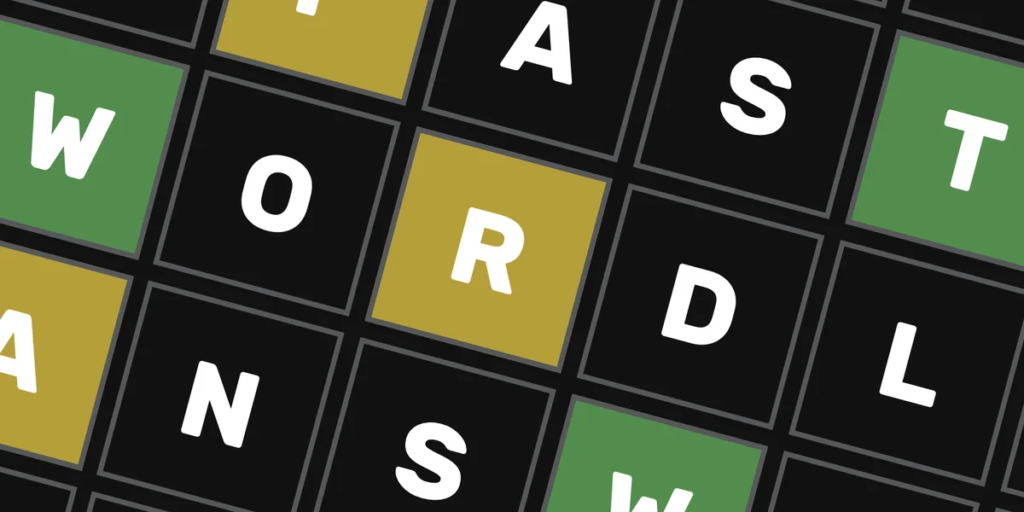
Worle is a daily word puzzle game where players must guess a hidden five-letter word within six attempts. After each guess, the game provides color-coded feedback:
- Green: Correct letter in the correct position
- Yellow: Correct letter in the wrong position
- Gray: Letter not in the word
This simple feedback system is what makes the game both easy to understand and difficult to master.
Worle was originally created as a small personal project but quickly turned into a viral sensation shared across social media platforms like Twitter and Facebook. Players often share their results without revealing the answer, adding to the excitement.
The Origin of Worle
The story of Worde began as a simple side project developed by software engineer Josh Wardle. He initially created it for his partner who loved word games. However, it quickly gained popularity after being released to the public.
The game’s minimal design and no-ad experience made it stand out from other online games. Eventually, it was acquired by The New York Times, further increasing its visibility and user base.
Today, Worle continues to be one of the most played daily puzzle games in the world.
How to Play Wodle Effectively
Playing Worle is simple, but winning consistently requires strategy. Here’s how it works:
- Start by typing any five-letter word
- Analyze the color feedback
- Use logic to eliminate incorrect letters
- Refine your next guesses
- Solve the puzzle within six attempts
Each guess provides valuable information that helps narrow down possibilities. Unlike many other games, success in Worle depends more on logic than luck.
Worle Strategy Guide for Better Results
To improve your performance in Worle, you need to follow smart strategies rather than random guessing.
1. Choose a Strong Starting Word in Worde
A good starting word should include common vowels and consonants. Words like “audio,” “crate,” or “slate” help reveal useful letters early.
2. Focus on Vowels Early in Worle
Vowels like A, E, I, O, and U appear in most English words. Identifying them early gives you a strong advantage in solving the puzzle.
3. Avoid Repeating Incorrect Letters in Wrdle
Once a letter is marked gray, avoid using it again. This helps eliminate unnecessary options and saves attempts.
4. Use Word Patterns in Wordle
Instead of random guessing, think of common word structures. For example, “TH,” “CH,” and “SH” are frequently used combinations.
5. Think Logically, Not Emotionally in Wordle
Many players lose because they rush guesses. Taking time to analyze feedback increases your chances of success.
Why Wordle Became So Popular
The success of Wordle can be attributed to several factors:
Simple Gameplay
No complicated rules or instructions are required. Anyone can start playing within seconds.
Daily Challenge
Only one puzzle is released per day, making it more exciting and less addictive in a negative way.
Social Sharing
Players love sharing their results using emoji grids without revealing answers.
No Ads or Distractions
The clean interface improves focus and enhances user experience.
Mental Exercise
It challenges vocabulary and problem-solving skills, making it educational as well as entertaining.
Benefits of Playing Wordle Regularly
Playing Wordle daily offers several cognitive and psychological benefits:
Improves Vocabulary
You get exposed to new words and spelling patterns.
Enhances Memory
Remembering past guesses strengthens short-term memory.
Boosts Problem-Solving Skills
Each puzzle requires logical thinking and pattern recognition.
Reduces Stress
Short gameplay sessions help relax the mind.
Encourages Daily Routine
Many players make it a habit, similar to a morning puzzle activity.
Common Mistakes in Wordle
Even experienced players make mistakes in Wordle. Here are some common errors to avoid:
Repeating Incorrect Letters
This wastes valuable attempts and reduces your chances of winning.
Ignoring Feedback Colors
Not analyzing feedback properly leads to random guessing.
Using Rare Words Early
Uncommon words may not help identify useful patterns.
Overthinking Simple Solutions
Sometimes the answer is simpler than expected.
Advanced Tips to Master Wordle
If you want to consistently improve your performance in Wordle, consider these advanced tips:
Track Letter Frequency
Some letters appear more often in English words than others.
Practice Anagram Thinking
Rearranging known letters can quickly reveal possible answers.
Use Elimination Method
Remove impossible combinations systematically.
Learn Common Endings
Words ending in “-ing,” “-ed,” or “-er” are very common.
Wordle Variations and Spin-Offs
The popularity of Wordle has inspired many variations, including:
- Number-based puzzles
- Geography guessing games
- Music guessing challenges
- Multilingual Wordle versions
These spin-offs keep the concept fresh and engaging for different audiences around the world.
Wordle and Social Media Impact
One of the biggest reasons behind the success of Wordle is its presence on social media. Players share their results using colored emoji blocks that represent their guesses.
This creates a sense of community competition without spoiling the answer for others. It also helped the game go viral globally in a short time.
Why Wordle is Good for Brain Health
Experts suggest that playing Wordle regularly can contribute to brain fitness. It activates areas of the brain responsible for:
- Language processing
- Logical reasoning
- Memory recall
Just like crossword puzzles and Sudoku, Wordle serves as a mental workout that keeps the brain active.
Wordle in Education
Many teachers and educators have started using Wordle as a learning tool. It helps students:
- Improve spelling skills
- Expand vocabulary
- Develop analytical thinking
Because it is engaging and interactive, students are more motivated to participate.
Future of Wordle
The future of Wordle looks strong due to its simplicity and global appeal. Even though many similar games have been released, Wordle continues to maintain a loyal user base.
As digital learning and gamification grow, Wordle-like games are expected to become even more popular in education and entertainment sectors.
Conclusion
Wordle is more than just a simple word puzzle game. It is a daily mental exercise, a social trend, and a global phenomenon that has changed how people engage with word games online.
Its combination of simplicity, challenge, and social interaction makes it one of the most successful browser-based games ever created. Whether you are playing for fun, learning, or brain training, Wordle offers value to everyone.
With the right strategy and consistent practice, anyone can improve their performance and enjoy the satisfaction of solving each daily puzzle.
