



A Brief History of Arsenal Football Club
Founded in 1886, Arsenal Football Club has established itself as a beacon of success and tradition within the footballing world. Originally formed as Dial Square by a group of workers from the Royal Arsenal in Woolwich, the club would eventually be renamed to reflect its association with the local area. By 1913, Arsenal had made a significant move to Highbury, an act that would lead to its transformation into one of the premier football institutions in the United Kingdom.
The early 20th century marked a turning point for Arsenal as they joined the Football League in 1893. The club quickly asserted its dominance within the competitive landscape, securing their first major trophy, the FA Cup, in 1920. This victory was significant not merely for the silverware, but also as a symbol of Arsenal’s growing reputation. The years that followed witnessed Arsenal achieving various milestones, including multiple league titles and an unwavering commitment to playing an attacking brand of football.
Under the stewardship of legendary manager Herbert Chapman during the 1920s and 1930s, Arsenal cemented its status as a football juggernaut. The innovations introduced during this era, such as the W-M formation and the implementation of a professional training regime, revolutionized the sport in England. Not only did the club enjoy a series of domestic successes, but it also laid the foundation for a legacy that would endure through the decades.
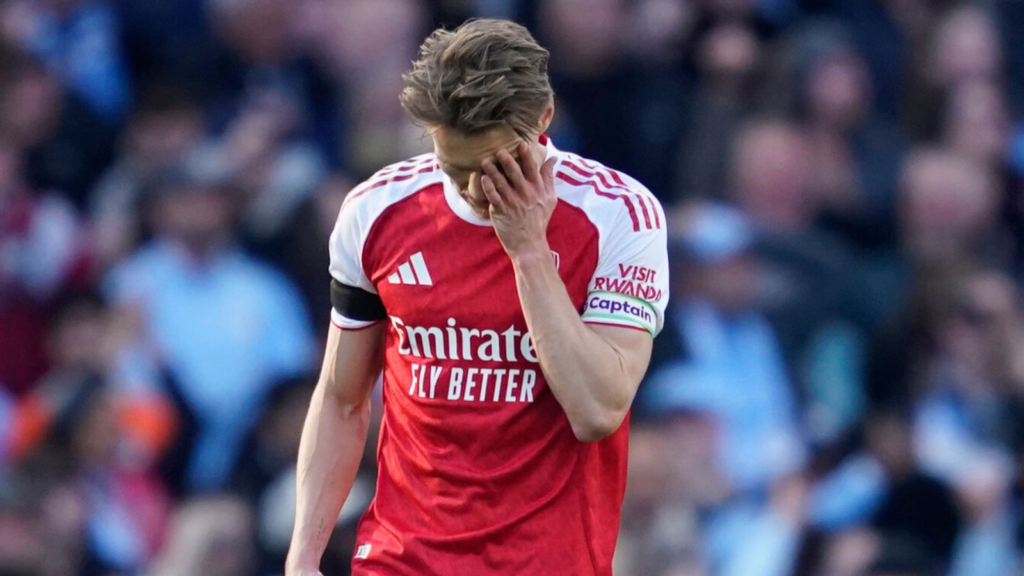
Throughout the latter half of the 20th century and into the 21st, Arsenal expanded its identity, embracing a philosophy focused on youth development and attractive styles of play. The club’s move to the Emirates Stadium in 2006 further symbolized its ambitions. Today, Arsenal is viewed not only as a football club but as an institution steeped in rich history, a commitment to excellence, and a dedication to its passionate fanbase.
Arsenal’s Iconic Players and Managers
Arsenal Football Club, founded in 1886, boasts a rich history marked by numerous legendary players and managers who have left an indelible mark on the game of football. Among these iconic figures, Thierry Henry stands out as one of the club’s most revered forwards. His remarkable pace, skill, and goal-scoring ability helped propel Arsenal to numerous victories, including the historic unbeaten Premier League season in 2003-2004. Henry’s connection with the fans and his exemplary performances made him synonymous with the club’s philosophy and success.
Alongside Henry, Tony Adams, a stalwart defender and the club’s long-serving captain, is celebrated for his leadership and tenacity on the field. Adams personified Arsenal’s fighting spirit and was integral to the club’s defensive resilience. His ability to marshal the backline ensured that Arsenal not only won domestic trophies but also enjoyed formidable European campaigns. Adams’ legacy is one that resonates with fans, embodying the very essence of Arsenal’s heritage in both the 1980s and 1990s.
Furthermore, Ian Wright, another cherished forward, lit up Highbury with his goal-scoring prowess and infectious enthusiasm for the game. His tenure at Arsenal in the 1990s saw him become the club’s all-time leading scorer until Henry surpassed his tally. Wright’s charm and commitment to the game endeared him to supporters and left a lasting legacy that is still celebrated by fans today.
In terms of management, Arsène Wenger revolutionized English football during his tenure from 1996 to 2018. His innovative approaches and emphasis on attacking football not only transformed Arsenal’s playing style but also elevated the club’s status on the global stage. Wenger’s influence extended beyond tactics; he fostered new talent and instilled a winning mentality that laid the groundwork for future successes.
The rich history of Arsenal is marked not only by victories but also by the legendary players and managers who have contributed to the club’s narrative. Their legacies continue to inspire new generations of fans and players alike.
Arsenal’s Achievements and Rivalries
The history of Arsenal Football Club is rich with remarkable achievements that underline the club’s stature in both domestic and international football. Established in 1886, Arsenal quickly ascended to prominence in English football, securing numerous league titles and FA Cup trophies throughout the years. As of 2023, the club has amassed a total of 13 FA Cup victories, making it the most successful club in the competition’s history. Furthermore, Arsenal captured the English top-flight league title on 13 occasions, with the famous unbeaten season of 2003-2004, referred to as ‘The Invincibles,’ standing out as a pivotal moment in English football lore.
Arsenal’s European exploits add another layer of intrigue, particularly their journey to the UEFA Champions League final in 2006, where they faced Barcelona. Although ultimately unsuccessful, the match showcased the team’s determination and capability on the continental stage. This persistent ambition to succeed in Europe reflects the club’s ethos and resonates with the fans who exhibit unwavering support.
Rivalries are an integral part of Arsenal’s identity, most notably highlighted by the intense competition with Tottenham Hotspur. Known as the North London Derby, matches against Spurs evoke passionate responses from supporters and have a significant impact on the club’s standing within the city. Arsenal is also known for their fierce rivalry with Manchester United, especially during the late 1990s and early 2000s when both clubs frequently competed for top honors. These confrontations not only intensify the atmosphere during matches but also set a standard for excellence within the league.
In conclusion, Arsenal Football Club’s achievements and rivalries are inextricably linked to its storied past and dynamic present, affirming its place as one of England’s most illustrious football clubs.
The Future of Arsenal FC
As Arse nal Football Club navigates the complexities of modern football, the outlook appears to be one of both potential and challenge. The recent changes in management have sparked optimism among supporters, with new strategies being implemented to reinvigorate the team’s performance. Under the leadership of a progressive management team, Arse nal aims to return to the upper echelons of the Premier League and compete more vigorously in European competitions.
Despite this ambition, the club faces several obstacles intrinsic to contemporary football. The increasing competitiveness of both established and emerging clubs poses a serious challenge. Financial stability and investment in player development are crucial for Arse nal to remain relevant. The club has made strides in enhancing its youth academy, emphasizing the importance of nurturing home-grown talent, which has historically been a hallmark of Arse nal’s identity.
Furthermore, Arse nal’s fan base remains a vital component in shaping the club’s strategic direction. Engaging with supporters and acknowledging their passions and expectations is critical for the club’s future success. Initiatives aimed at improving fan experience, both at the Emirates Stadium and via digital platforms, reflect a commitment to maintaining strong ties with the community.
Looking ahead, Arse nal is positioned to leverage its rich history while embracing innovative approaches that resonate with younger audiences. By focusing on strategic hiring in both management and scouting, the club can parallel its ambitions with tangible results on the pitch. Overall, the future of Arse nal FC is contingent upon balancing tradition with modernity, ensuring that the club not only competes but thrives in a rapidly evolving football landscape.
