


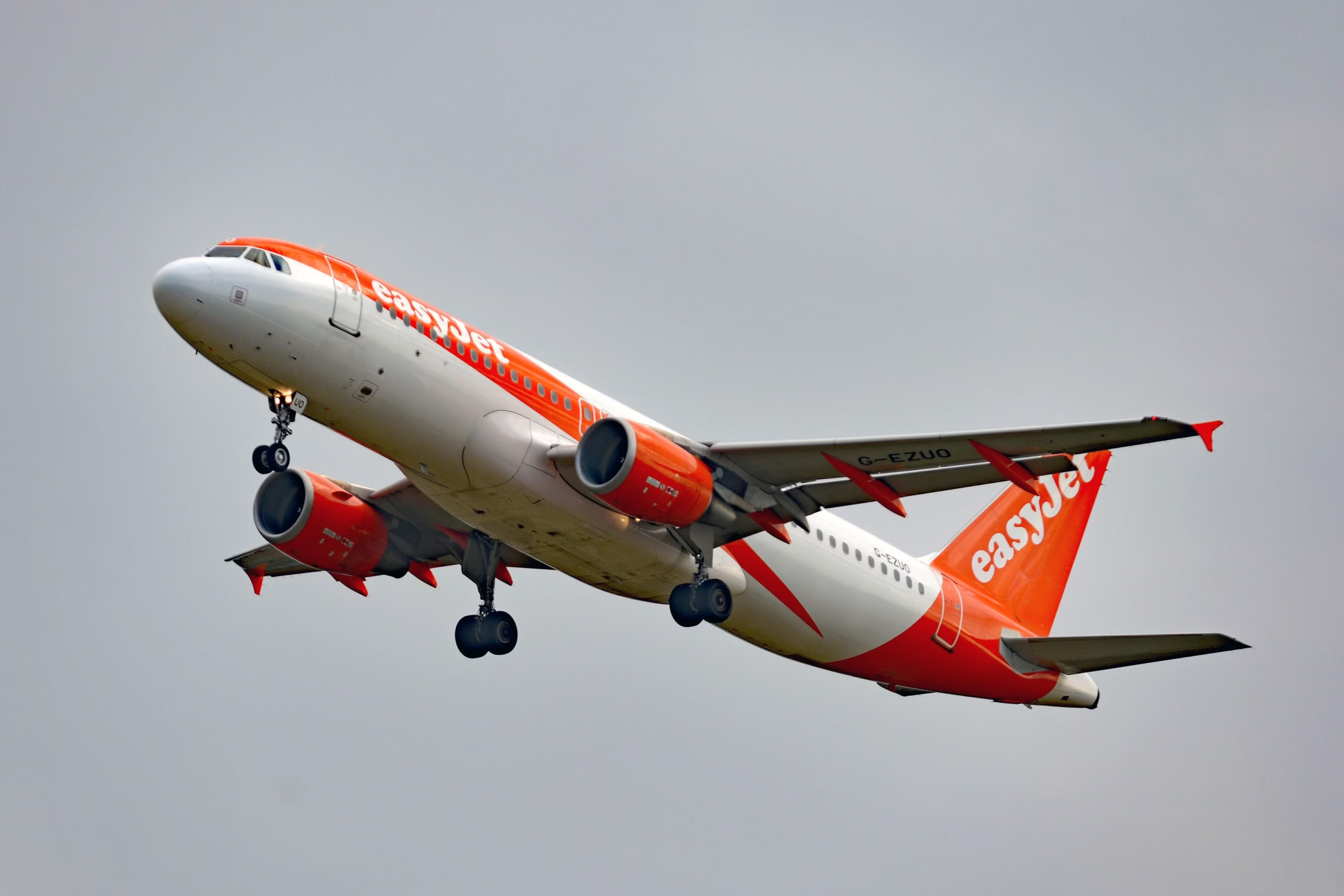
An easyJet flight emergency landing is a rare but serious aviation event where an aircraft operated by easyJet is required to land unexpectedly due to technical, medical, weather, or safety-related issues. While the term may sound alarming, emergency landings are part of standard aviation safety procedures designed to protect passengers and crew.
Modern aviation is considered one of the safest modes of transport, and emergency landings are a reflection of how well safety systems work rather than a sign of failure. Airlines like easyJet follow strict international aviation regulations to ensure that any potential risk is handled quickly and effectively.
In this article, we will explore what an easyJet flight emergency landing means, why it happens, how pilots manage it, and what passengers should expect during such situations.
Understanding an EasyJet Flight Emergency Landing
An easyJet flight emergency landing occurs when a flight must land at the nearest suitable airport due to an urgent issue. This does not always mean danger is imminent, but it does mean the flight cannot safely continue to its original destination.
Emergency landings can be classified into several types:
- Precautionary landings (preventive safety checks)
- Technical emergency landings (mechanical or system issues)
- Medical emergency landings (passenger or crew health emergencies)
- Weather-related emergency diversions
- Security-related situations
Each type follows strict aviation protocols designed to prioritize human life above all else.
Common Causes of EasyJet Flight Emergency Landing
Understanding why an easyJet flight emergency landing may occur helps reduce fear and confusion among passengers. Below are the most common causes:
1. Technical or Mechanical Issues
Aircraft are complex machines with thousands of components. Even minor technical alerts can lead pilots to initiate an emergency landing as a precaution. These may include:
- Engine warning indicators
- Hydraulic system faults
- Landing gear issues
- Cabin pressure irregularities
Even when issues are minor, airlines prefer safety over risk.
2. Medical Emergencies Onboard
Sometimes an emergency landing is required due to a passenger or crew member experiencing a serious medical condition such as:
- Heart attacks
- Severe allergic reactions
- Breathing difficulties
- Stroke symptoms
In such cases, pilots divert to the nearest airport so medical professionals can provide immediate treatment.
3. Severe Weather Conditions
Weather is a major factor in aviation safety. An easyJet flight emergency landing may occur due to:
- Thunderstorms
- Heavy turbulence
- Strong crosswinds
- Low visibility (fog or storms)
If conditions at the destination airport become unsafe, pilots choose an alternate landing location.
4. Cabin Pressure or Oxygen Issues
Aircraft cabins are pressurized for passenger comfort. If there is a loss of pressure or oxygen system malfunction, pilots must descend quickly and land safely at the nearest airport.
5. Security Concerns
Although rare, security threats such as suspicious behavior onboard or potential safety risks can lead to immediate diversion and emergency landing.
How Pilots Handle an EasyJet Flight Emergency Landing
Pilots undergo extensive training to manage emergency situations calmly and efficiently. During an easyJet flight emergency landing, the following steps typically occur:
Step 1: Detection of the Issue
Sensors or crew observations identify a problem. This could be a warning light, unusual noise, or passenger health issue.
Step 2: Communication with Air Traffic Control
Pilots immediately inform air traffic control and request priority landing clearance at the nearest airport.
Step 3: Decision Making
The flight crew evaluates:
- Severity of the issue
- Distance to nearest airport
- Weather conditions
- Fuel levels
Step 4: Preparation for Landing
Passengers are informed, cabin crew secures the cabin, and passengers are instructed to follow safety procedures.
Step 5: Safe Landing
The aircraft lands safely, often escorted by emergency services as a precaution.
Passenger Experience During an EasyJet Flight Emergency Landing
Experiencing an easyJet flight emergency landing can feel stressful, but airlines are trained to keep passengers safe and informed.
What Passengers May Notice:
- Sudden announcement from the captain
- Change in flight direction
- Cabin crew preparing the cabin
- Possible descent to lower altitude
- Emergency services waiting on arrival
What Passengers Should Do:
- Stay seated with seatbelt fastened
- Follow crew instructions carefully
- Avoid panic or unnecessary movement
- Keep communication devices in airplane mode
Cabin crew members are highly trained to manage passenger concerns during such events.
Safety of EasyJet Flight Emergency Landing Procedures
One of the most important things to understand is that an easyJet flight emergency landing is a controlled safety procedure, not a crash scenario.
Aviation safety standards are extremely strict, and airlines like easyJet follow guidelines set by international aviation authorities. Emergency landings are planned responses designed to:
- Prevent escalation of technical issues
- Protect passenger health and safety
- Ensure aircraft integrity
- Minimize risk at all times
Statistics show that emergency landings are rare and usually end without harm to passengers.
Role of Cabin Crew During an EasyJet Flight Emergency Landing
Cabin crew play a critical role during an easyJet flight emergency landing. Their responsibilities include:
- Informing and calming passengers
- Securing cabin equipment
- Assisting elderly or vulnerable passengers
- Preparing passengers for landing procedures
- Coordinating with pilots
Their training includes emergency simulations, first aid, and evacuation procedures.
Aircraft Technology That Prevents Emergencies
Modern aircraft used by airlines such as easyJet are equipped with advanced safety systems:
- Real-time engine monitoring
- Automated warning systems
- Dual redundant systems (backup systems for critical functions)
- Weather radar detection
- Advanced navigation systems
These technologies reduce the likelihood of serious incidents and help pilots respond quickly when needed.
Media Coverage and Public Perception
When an easyJet flight emergency landing occurs, it often attracts media attention. However, it is important to understand that:
- Most emergency landings are precautionary
- Many are caused by minor technical alerts
- Flights are usually completed safely after inspection or replacement aircraft
- Aviation safety systems are designed to prevent danger before it escalates
Public perception can sometimes exaggerate the seriousness of such events due to lack of technical understanding.
What Happens After an EasyJet Flight Emergency Landing
After an emergency landing, several procedures take place:
Aircraft Inspection
Engineers inspect the aircraft to identify and fix the issue.
Passenger Assistance
Passengers may be rebooked on another flight or provided accommodation if necessary.
Investigation
Aviation authorities review the incident to ensure compliance with safety regulations.
Return to Service
Once cleared, the aircraft returns to regular operation.
How Common Is an EasyJet Flight Emergency Landing?
Despite media attention, an easyJet flight emergency landing is relatively rare. Millions of flights operate safely each year across Europe and globally. Emergency landings represent a very small fraction of total flights and are often precautionary rather than dangerous.
Tips for Passengers to Stay Calm During an Emergency Landing
If you ever experience an easyJet flight emergency landing, these tips can help:
- Listen carefully to crew instructions
- Stay seated unless told otherwise
- Avoid spreading rumors or panic
- Trust aviation professionals
- Remember that safety is the top priority
Airlines invest heavily in training to ensure passengers remain safe and informed.
Conclusion
An easyJet flight emergency landing may sound alarming, but it is actually a well-structured safety procedure designed to protect passengers and crew. Whether caused by technical issues, medical emergencies, or weather conditions, these landings demonstrate how seriously aviation safety is taken.
Airlines like easyJet operate under strict regulations and use advanced technology and trained professionals to handle unexpected situations effectively.
In most cases, passengers remain safe, and flights continue after necessary inspections or arrangements. Understanding how these procedures work helps reduce fear and build confidence in modern air travel.
