


Ecuador food is one of the most diverse and underrated cuisines in South America. Influenced by the Andes Mountains, the Amazon rainforest, Pacific coastline, and indigenous traditions, Ecuadorian cuisine offers a unique combination of flavors, ingredients, and cooking styles that reflect the country’s rich geography and cultural history.
Unlike many other Latin American cuisines, Ecuador fod is not overly spicy but instead focuses on fresh ingredients, natural flavors, and balanced seasoning. From hearty mountain soups to fresh coastal seafood dishes and exotic Amazonian specialties, Ecuador offers a culinary journey that surprises most travelers.
In this complete guide, we will explore the history, regional diversity, popular dishes, ingredients, street food culture, beverages, and modern evolution of Ecuador food. Whether you are a food lover, traveler, or researcher, this article will give you deep insight into Ecuador’s culinary identity.
The Cultural and Historical Roots of Ecuador Food
Ecuadorfood has deep roots in indigenous civilizations such as the Inca and earlier Andean cultures. These communities relied heavily on local crops like potatoes, corn, quinoa, and beans, which still form the backbone of Ecuadorian cuisine today.
When the Spanish arrived in the 16th century, they introduced new ingredients such as rice, beef, pork, chicken, citrus fruits, and dairy products. Over time, these ingredients blended with indigenous cooking techniques, creating the foundation of modern Ecuador food.
African influences also contributed to coastal Ecuadorian cuisine, especially in seafood preparation and spice usage. This fusion of cultures is what makes Ecuador food so unique and regionally diverse.
Regional Diversity of Ecuador Food
One of the most fascinating aspects of Ecuador food is how it changes dramatically across different regions. The country is divided into four main culinary zones:
1. Andean Highlands (La Sierra)
The highland region is known for its cold climate and hearty meals. Ecuador food in this area focuses on filling, energy-rich dishes.
Common ingredients:
- Potatoes (hundreds of native varieties)
- Corn (maize)
- Pork, chicken, and guinea pig (cuy)
- Quinoa and barley
Popular dishes include soups, stews, and roasted meats.
2. Coastal Region (La Costa)
Coastal Ecuador food is heavily based on seafood due to its access to the Pacific Ocean. It is often lighter, fresher, and sometimes slightly tangy.
Common ingredients:
- Fish (tuna, snapper, corvina)
- Shrimp and shellfish
- Plantains
- Coconut and lime
This region is famous for ceviche and fried seafood dishes.
3. Amazon Region (La Amazonía)
Amazonian Ecuador food is exotic and deeply connected to nature. It uses unique ingredients that are not commonly found in other parts of the world.
Common ingredients:
- Yuca (cassava)
- Plantains
- River fish
- Wild fruits
- Jungle herbs
Some dishes include roasted fish wrapped in leaves and traditional herbal soups.
4. Galápagos Islands
Ecuador food in the Galápagos is mostly seafood-based, with influences from mainland Ecuador and international tourism.
Common ingredients:
- Lobster
- Tuna
- Fresh fish
- Tropical fruits
Traditional Ecuador Food Dishes You Must Try
Ecuador food offers a wide variety of traditional dishes that reflect its cultural richness. Below are some of the most iconic foods you should know.
1. Ceviche (Ecuadorian Style)
Ecuadorian ceviche is different from Peruvian ceviche. It is usually made with cooked shrimp or fish, marinated in lime juice, onions, tomatoes, and coriander.
Unlike other versions, Ecuador food ceviche often includes tomato sauce or orange juice, giving it a slightly sweeter taste.
2. Locro de Papa
Locro de papa is a creamy potato soup from the Andes region. It is made with potatoes, cheese, milk, and avocado.
This dish represents comfort food in Ecuador food culture and is often served during cold weather.
3. Encebollado
Encebollado is one of the most famous Ecuador food dishes. It is a tuna and cassava soup flavored with onions, tomatoes, and herbs.
It is commonly eaten as a breakfast dish and is known as a popular hangover cure.
4. Hornado
Hornado is slow-roasted pork served with corn, potatoes, salad, and fried plantains. It is a festive dish often found in markets and celebrations.
5. Llapingachos
Llapingachos are potato pancakes filled with cheese and served with eggs, sausage, salad, and peanut sauce.
This dish is a perfect example of Ecuador food combining simplicity with rich flavor.
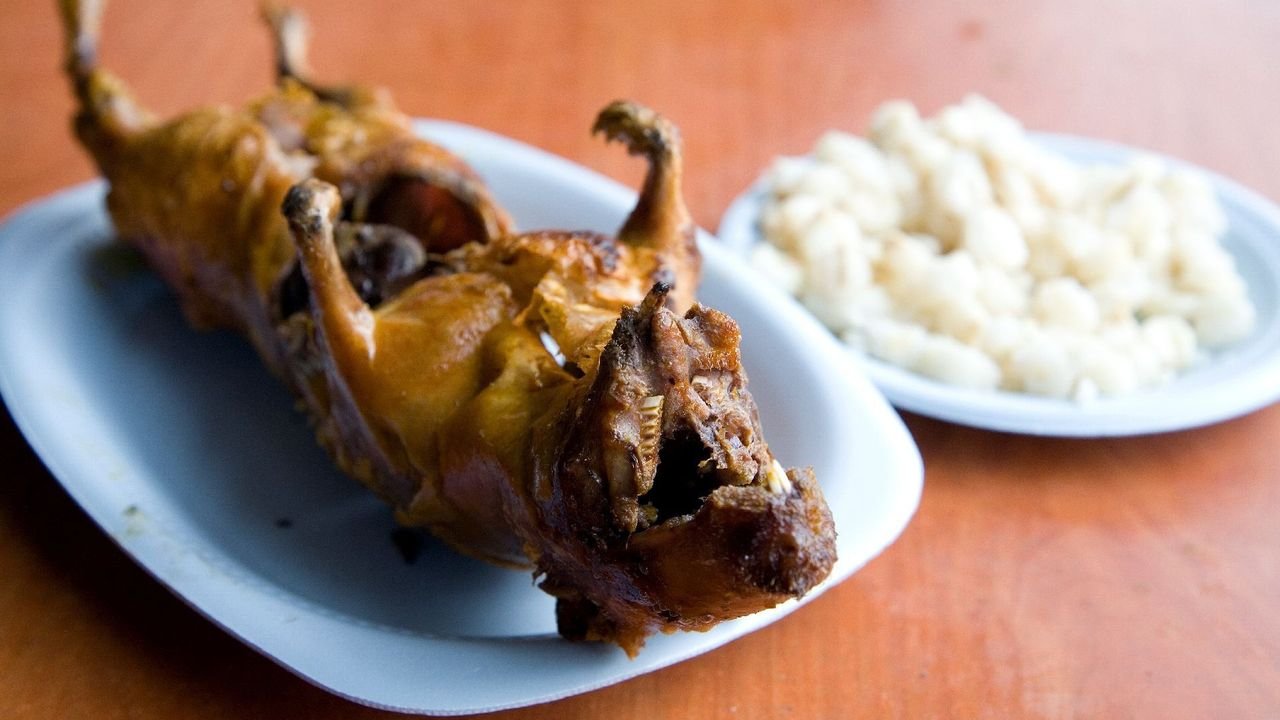
6. Cuy (Guinea Pig)
Cuy is a traditional Andean delicacy. It is usually roasted or fried and served whole. While it may seem unusual to outsiders, it is considered a cultural heritage food in Ecuador.
7. Seco de Pollo
Seco de pollo is a chicken stew cooked with beer or chicha, served with rice and fried plantains. It is flavorful and aromatic, representing Ecuadorian home cooking.
8. Bolón de Verde
Bolón de verde is made from mashed green plantains mixed with cheese or pork and shaped into balls. It is a popular breakfast food in coastal Ecuador.
Ecuador Food Ingredients and Staples
The foundation of Ecuador food lies in its natural ingredients. These staples are used across all regions:
Key Ingredients:
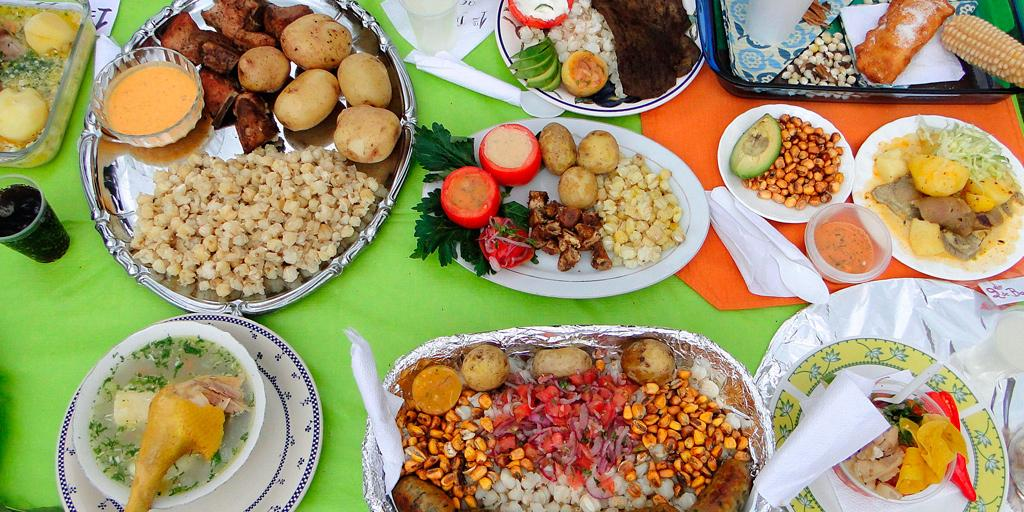
- Potatoes (over 200 varieties)
- Corn (maize-based foods like tortillas and mote)
- Plantains (green and ripe)
- Rice (a daily staple)
- Beans and lentils
- Seafood (shrimp, fish, shellfish)
- Pork, chicken, and beef
- Tropical fruits (passion fruit, guava, papaya)
These ingredients reflect Ecuador’s agricultural richness and biodiversity.
Ecuador Street Food Culture
Street food is an essential part of Ecuador food culture. In cities like Quito, Guayaquil, and Cuenca, street vendors offer affordable and delicious meals.
Popular street foods include:
- Empanadas (filled pastries)
- Salchipapas (sausage with fries)
- Choclo con queso (corn with cheese)
- Fresh fruit juices
- Grilled meats
Street food in Ecuador is not just about eating; it is a social experience where people gather and enjoy fresh, quick meals.
Ecuador Food and Beverages
Ecuador also has a rich tradition of beverages that complement its cuisine.
Popular Drinks:
1. Canelazo
A warm drink made from cinnamon, sugar, and aguardiente (sugarcane alcohol). It is popular in the Andes during cold nights.
2. Colada Morada
A traditional purple drink made during the Day of the Dead, prepared with fruits, spices, and corn flour.
3. Fresh Fruit Juices
Ecuador is known for its exotic fruits, and fresh juices are widely consumed.
4. Coffee and Cocoa
Ecuador produces high-quality coffee and chocolate, both important exports and daily beverages.
The Role of Ecuador Food in Festivals and Traditions
Food plays a major role in Ecuadorian festivals and cultural celebrations.
- During Christmas, families prepare roasted meats and sweets.
- In Easter, seafood dishes are common due to religious traditions.
- The Day of the Dead features colada morada and guaguas de pan (bread figures).
- Local festivals often include hornado, empanadas, and traditional drinks.
Ecuador food is deeply connected to family gatherings, religion, and national identity.
Health Benefits of Ecuador Food
Ecuador food is generally healthy due to its use of fresh and natural ingredients.
Benefits include:
- High fiber from potatoes, corn, and legumes
- Omega-3 from seafood
- Natural vitamins from tropical fruits
- Low use of processed foods
- Balanced meals with proteins and vegetables
Traditional cooking methods like boiling, roasting, and grilling also contribute to healthier eating habits.
Modern Evolution of Ecuador Food
In recent years, Ecuador food has evolved significantly due to globalization and tourism.
Modern chefs are combining traditional Ecuadorian dishes with international techniques. Fine dining restaurants in Quito and Guayaquil now offer gourmet versions of ceviche, llapingachos, and hornado.
At the same time, street food remains strong, preserving the authenticity of Ecuador’s culinary heritage.
Food tourism is also growing, with travelers visiting Ecuador specifically to explore its cuisine.
Why Ecuador Food Is Gaining Global Attention
Ecuador food is becoming more popular internationally for several reasons:
- Unique regional diversity
- Fresh and organic ingredients
- Cultural authenticity
- Growing tourism industry
- Influence of Latin American cuisine trends
Food bloggers and chefs are now recognizing Ecuador as an emerging culinary destination.
Tips for Experiencing Ecuador Food as a Traveler
If you plan to try Ecuador food, here are some useful tips:
- Visit local markets for authentic meals
- Try regional dishes instead of tourist versions
- Be open to new ingredients like cuy
- Eat street food from busy vendors (a sign of quality)
- Try different regions to experience variety
Conclusion on Ecuador Food
Ecuador food is a vibrant and diverse culinary tradition shaped by geography, history, and cultural fusion. From the Andes to the Amazon and the coast, every region offers something unique and flavorful.
Whether you are enjoying a warm bowl of locro de papa in the mountains, fresh ceviche on the coast, or exotic Amazonian dishes, Ecuador food delivers an unforgettable culinary experience.
Its balance of tradition and modern innovation makes it one of the most interesting food cultures in South America. As global interest continues to grow, Ecuador food is set to become even more recognized on the world stage.
