


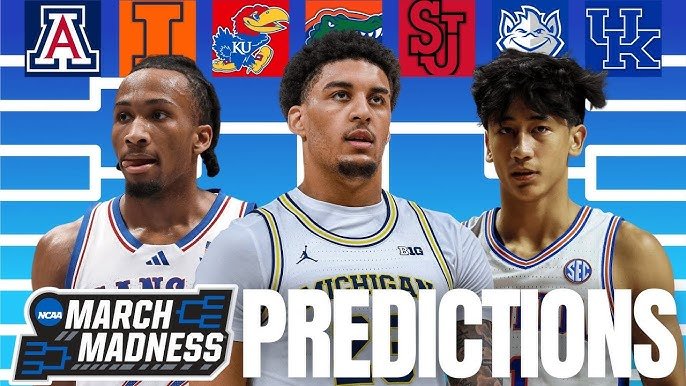
Every year, college basketball fans eagerly wait for one of the most exciting periods in sports history: March Madness. Long before the official NCAA Tournament bracket is released, millions of fans, analysts, and sports media platforms begin predicting which teams will make the tournament field. Among all prediction systems, ESPN Bracketology remains one of the most popular and trusted sources for tournament projections.
The term bracketology has become deeply connected with college basketball culture. Fans debate bubble teams, compare conference strengths, and analyze tournament resumes for months before Selection Sunday arrives. ESPN transformed this process into a mainstream sports discussion, helping casual fans and dedicated analysts better understand the NCAA selection system.
In this detailed guide, we will explore how ESPN Bracketology works, why it matters, how experts build tournament projections, and how fans can use these predictions to improve their understanding of March Madness.
What Is ESPN Bracketology?
ESPN Bracketology is a tournament prediction system that forecasts the NCAA Men’s Basketball Tournament field before the official selections are announced. It estimates which teams are likely to receive invitations, where they may be seeded, and which regions they could join.
The concept became extremely popular through ESPN analyst Joe Lunardi, who helped bring bracket forecasting into mainstream sports media. His predictions often influence discussions among fans, television analysts, and sports communities throughout the college basketball season.
Bracketology includes several important elements:
- Predicted tournament teams
- Seed projections
- Bubble team analysis
- Conference tournament impacts
- Team resume evaluations
- Strength of schedule rankings
- NET rankings analysis
- Quality wins and bad losses
These projections are updated frequently during the season because college basketball results constantly change the tournament picture.
Why ESPN Bracketology Became So Popular
The popularity of ESPN Bracketology comes from the excitement surrounding uncertainty. Unlike professional sports leagues where playoff qualification may be more predictable, college basketball features hundreds of teams competing for limited tournament spots.
Fans enjoy debating:
- Which bubble teams deserve entry
- Whether rankings matter more than records
- Which conferences are strongest
- How injuries impact seeding
- Which teams may become Cinderella stories
Bracketology creates ongoing drama throughout the season. Every important game can affect tournament positioning.
Another reason for its popularity is accessibility. ESPN presents complex NCAA selection criteria in a format that ordinary fans can easily understand.
ESPN Bracketology and the NCAA Tournament Selection Process
To understand ESPN Bracketology, it is important to understand how the NCAA Tournament selection committee works.
The NCAA selection committee evaluates teams using several factors:
Team Record
Overall wins and losses remain important. Teams with strong records usually receive better tournament positions.
Strength of Schedule
Playing difficult opponents improves a team’s resume. Teams from major conferences often benefit because their schedules contain stronger competition.
NET Rankings
The NCAA Evaluation Tool, known as NET rankings, plays a major role in modern tournament selection.
Quad Wins
Victories are categorized into quadrants based on opponent quality and game location.
Quadrant Breakdown
- Quad 1: Elite wins
- Quad 2: Strong wins
- Quad 3: Average results
- Quad 4: Weak competition
Teams with many Quad 1 victories often rise in espn bracketology projections.
Conference Tournament Performance
Late-season tournaments significantly impact tournament positioning. Some teams secure automatic bids, while others strengthen their resumes.
The History of Bracketology
Bracketology existed long before digital sports media, but it became widely recognized during the growth of sports television and online analysis.
Joe Lunardi became the face of bracketology through ESPN coverage. His projection system introduced millions of basketball fans to the detailed process of NCAA Tournament forecasting.
Over time, bracketology evolved from simple predictions into advanced analytics involving:
- Statistical modeling
- Predictive metrics
- Computer rankings
- Team efficiency ratings
- Historical tournament trends
Modern bracketology combines traditional basketball knowledge with advanced sports analytics.
ESPN Bracketology and Joe Lunardi
When discussing ESPN Bracketology, one name appears more than any other: Joe Lunardi.
Joe Lunardi helped transform bracket forecasting into an entertainment phenomenon. His detailed tournament projections became a regular part of college basketball coverage.
Lunardi’s work focuses on predicting:
- Automatic qualifiers
- At-large bids
- Bubble teams
- First Four participants
- Top seed placements
His updates frequently generate discussion across sports media and social platforms.
Fans often compare his projections with other analysts to evaluate tournament prediction accuracy.
How ESPN Bracketology Predictions Are Created
Creating tournament projections requires constant analysis throughout the season.
Evaluating Team Performance
Analysts examine:
- Wins and losses
- Road victories
- Neutral-site results
- Conference records
- Recent performance trends
Comparing Tournament Resumes
Teams are compared side by side using statistical data and resume strength.
Tracking Injuries
Star player injuries can influence committee decisions and seed expectations.
Watching Conference Tournaments
Conference championships dramatically change the bracket picture.
A lower-ranked team winning its conference tournament may steal an automatic bid from a bubble team.
ESPN Bracketology and Bubble Teams
One of the most exciting parts of bracketology involves bubble teams.
A bubble team sits near the tournament cut line. These teams are neither guaranteed inclusion nor elimination.
Fans closely watch bubble teams because every game matters.
Common Bubble Team Factors
- Record against ranked opponents
- Recent momentum
- Road performance
- Conference strength
- Injury concerns
Bubble discussions intensify during the final weeks before Selection Sunday.
ESPN Bracketology and Seeding Predictions
Tournament seeding determines a team’s path through March Madness.
Higher seeds generally receive easier early-round matchups.
Understanding Seed Lines
The NCAA Tournament contains 16 seed lines in each region.
Top Seeds
No. 1 seeds are considered the strongest teams in the country.
Middle Seeds
Teams seeded between 5 and 10 often create unpredictable matchups.
Lower Seeds
Double-digit seeds frequently become upset candidates.
Bracketologists analyze team resumes carefully to project accurate seed placement.
ESPN Bracketology and Conference Strength
Conference reputation heavily influences tournament opportunities.
Power conferences often receive multiple bids because of stronger schedules and competition.
Major Conferences Frequently Featured
- SEC
- Big Ten
- ACC
- Big 12
- Big East
- Pac-12 history
- Mountain West
Teams from strong conferences may receive tournament invitations despite having more losses than smaller-school programs.
ESPN Bracketology and March Madness Excitement
March Madness represents one of the biggest sporting events in the United States.
Fans create brackets, enter competitions, and follow tournament storylines for weeks.
Bracketology increases anticipation because fans begin imagining possible tournament matchups long before the official bracket release.
Potential storylines include:
- Rival rematches
- Cinderella runs
- Blue-blood programs
- Upset predictions
- Final Four projections
The emotional investment grows throughout the season.
ESPN Bracketology and Advanced Analytics
Modern college basketball analysis relies heavily on data.
Advanced analytics help bracketologists evaluate teams beyond simple win-loss records.
Key Metrics Used in Bracketology
Offensive Efficiency
Measures points scored per possession.
Defensive Efficiency
Tracks points allowed per possession.
Tempo
Evaluates pace of play.
Strength of Record
Analyzes how impressive a team’s record truly is.
Predictive Ratings
Estimate future performance levels.
These analytics improve prediction accuracy.
ESPN Bracketology and Cinderella Teams
Every NCAA Tournament features surprising teams that exceed expectations.
These programs become known as Cinderella teams.
Bracketology helps identify possible underdog candidates before the tournament begins.
Common Cinderella Characteristics
- Experienced guards
- Strong three-point shooting
- Defensive discipline
- Momentum entering March
- Mid-major dominance
Fans love predicting Cinderella stories because unpredictability defines March Madness.
ESPN Bracketology and Selection Sunday
Selection Sunday is one of the biggest events in college basketball.
The NCAA selection committee officially reveals:
- Tournament field
- Seedings
- Regional placements
- First Four matchups
Millions compare the official bracket with ESPN Bracketology projections.
Analysts evaluate:
- Correct selections
- Surprising exclusions
- Unexpected seed placements
- Controversial committee decisions
The day generates enormous sports discussion.
How Accurate Is ESPN Bracketology?
No prediction system is perfect, but ESPN Bracketology often performs impressively well.
Accuracy improves near the end of the season because tournament resumes become clearer.
However, surprises always occur because:
- Conference tournaments create chaos
- Injuries change evaluations
- Committees value certain metrics differently
- Late-season collapses hurt resumes
Even incorrect predictions increase fan engagement and discussion.
ESPN Bracketology for Casual Fans
You do not need advanced basketball knowledge to enjoy bracketology.
Casual fans can use projections to:
- Learn tournament terminology
- Follow conference races
- Understand NCAA selection rules
- Identify important games
- Prepare March Madness brackets
Bracketology makes college basketball more interactive.
ESPN Bracketology and Sports Media Coverage
Sports media heavily covers bracketology during February and March.
Television shows analyze:
- Bubble teams
- Seed movement
- Big wins
- Upset losses
- Conference races
Social media discussions become especially intense near Selection Sunday.
Fans debate whether certain teams deserve inclusion or higher seeds.
ESPN Bracketology and Betting Trends
Sports betting has also increased interest in bracketology.
Tournament projections influence:
- Championship odds
- Final Four bets
- Conference futures
- Seed expectations
Understanding bracketology can help bettors recognize tournament trends and matchup possibilities.
However, tournament basketball remains highly unpredictable.
ESPN Bracketology and Team Momentum
Momentum plays a major role during late-season basketball.
Teams that finish strongly often improve their seeding outlook.
Bracketologists closely monitor:
- Winning streaks
- Defensive improvements
- Road performances
- Injury recoveries
Late-season momentum sometimes changes the entire bracket picture.
ESPN Bracketology and Mid-Major Programs
Mid-major teams frequently rely on automatic bids because at-large opportunities are limited.
However, dominant mid-major programs occasionally receive strong seeds.
Examples of respected mid-major conferences include:
- Atlantic 10
- Missouri Valley
- West Coast Conference
- American Athletic Conference
Bracketology discussions often examine whether smaller programs deserve greater recognition.
ESPN Bracketology and Historical Trends
Past tournament history influences modern projections.
Analysts study historical patterns involving:
- Seed success rates
- Conference performance
- Upset frequency
- Bubble selection trends
Historical data helps bracketologists improve future predictions.
ESPN Bracketology and Fan Engagement
Few sports topics generate as much audience interaction as bracketology.
Fans participate through:
- Online bracket challenges
- Social media debates
- Sports radio discussions
- Tournament prediction contests
Bracketology transforms regular-season games into meaningful tournament conversations.
ESPN Bracketology and Digital Sports Culture
The rise of digital media greatly expanded bracketology popularity.
Fans now receive:
- Real-time updates
- Interactive bracket simulations
- Statistical breakdowns
- Video analysis
- Social media reactions
This constant coverage keeps college basketball relevant throughout the season.
Common Terms Used in ESPN Bracketology
Understanding bracketology terminology improves the viewing experience.
Bubble Team
A team near tournament qualification.
Bid Stealer
A lower-ranked team that wins an automatic conference bid unexpectedly.
Last Four In
The final teams projected into the tournament field.
First Four Out
Teams narrowly missing tournament selection.
Lock
A team guaranteed tournament entry.
Auto Bid
An automatic tournament invitation earned by winning a conference tournament.
ESPN Bracketology and NCAA Tournament Upsets
Upsets define March Madness.
Bracketologists attempt to predict vulnerable higher seeds and dangerous lower seeds.
Factors that create upset potential include:
- Elite guard play
- Strong defense
- Three-point shooting
- Coaching experience
- Tempo differences
Fans love identifying possible bracket-breaking matchups.
ESPN Bracketology and Championship Favorites
Certain programs consistently appear near the top of tournament projections.
These teams usually feature:
- Elite recruiting
- Experienced coaching
- Strong efficiency metrics
- NBA-level talent
- Tough schedules
Championship favorites receive significant attention throughout the season.
ESPN Bracketology and Future Technology
Artificial intelligence and advanced data systems continue improving tournament predictions.
Future bracketology tools may include:
- Machine learning simulations
- Real-time probability models
- Predictive matchup analysis
- Automated resume comparisons
Technology will likely make projections even more detailed.
Tips for Following ESPN Bracketology Effectively
Fans can improve their bracketology understanding by focusing on several important areas.
Watch Conference Standings
Conference races strongly affect tournament opportunities.
Follow Bubble Matchups
Bubble teams play high-pressure games late in the season.
Understand NET Rankings
The NET system significantly impacts committee evaluations.
Study Recent Trends
Teams playing well in February and March often rise quickly.
Compare Multiple Projections
Different analysts may evaluate resumes differently.
ESPN Bracketology and the Emotional Side of College Basketball
College basketball creates emotional connections unlike many professional sports.
Fans become deeply invested in:
- School pride
- Rivalries
- Tournament dreams
- Cinderella stories
- Championship aspirations
Bracketology extends these emotions throughout the season.
Every win feels important because tournament hopes constantly evolve.
Final Thoughts on ESPN Bracketology
ESPN Bracketology remains one of the most influential and entertaining aspects of college basketball culture. It transforms ordinary regular-season games into meaningful tournament discussions and gives fans a deeper understanding of NCAA Tournament selection.
From bubble debates to seeding projections, bracketology keeps sports audiences engaged throughout the season. Analysts like Joe Lunardi helped popularize the process, while modern analytics continue making tournament forecasting more advanced and detailed.
Whether you are a casual fan preparing a March Madness bracket or a dedicated basketball analyst studying tournament resumes, ESPN Bracketology provides valuable insight into one of sports’ most exciting events.
As March Madness approaches each year, bracketology discussions become louder, predictions become more intense, and excitement reaches another level. That anticipation is exactly why college basketball fans continue following tournament projections season after season.
