


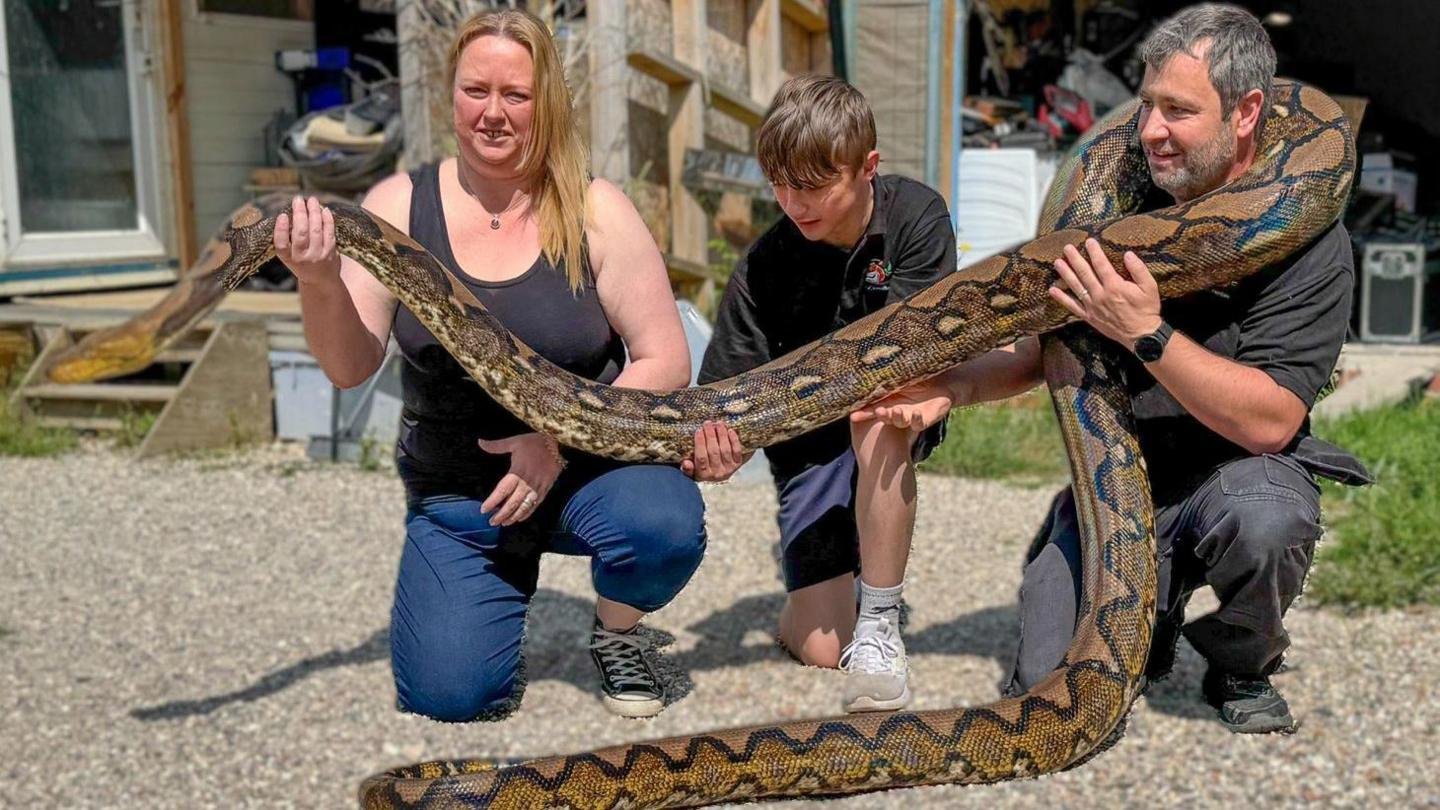
The word snake often triggers mixed emotions—fear, curiosity, and fascination all at once. Snaks are among the most misunderstood creatures on Earth, yet they play a vital role in maintaining ecological balance. Found in almost every part of the world except Antarctica, these reptiles have adapted to a wide range of environments, from dense rainforests to dry deserts.
In this comprehensive guide, we will explore everything about snak species, their behavior, habitat, diet, and importance.
What is a Snak?
A snake is a legless reptile belonging to the suborder Serpentes. Unlike other reptiles, snaks have elongated bodies and flexible jaws, allowing them to swallow prey much larger than their heads.
Snakes have evolved over millions of years and are closely related to lizards. Their unique physical structure, including the absence of limbs and presence of specialized scales, makes them highly efficient predators.
Types of Snak Species

There are more than 3,000 species of snaks worldwide, and they can be broadly categorized into different types based on their characteristics.
Venomous Snake Species
Venomous snaks produce toxins that help them immobilize or kill their prey. Some well-known venomous species include:
- Cobras
- Vipers
- Rattlesnaks
Their venom can affect the nervous system, blood, or tissues depending on the species.
Non-Venomous SnakSpecies
Non-venomous snaks rely on constriction or swallowing their prey alive. Examples include:
- Pythons
- Boas
- Garter snaks
These snakes are generally harmless to humans.
Aquatic Snake Species
Some snaes live in water, such as sea snaks and freshwater species. They are excellent swimmers and have adapted to marine environments.
Arboreal Snae Species
Tree-dwelling snaes, like green vine snaks, are skilled climbers and often use camouflage to hunt.
Snak Habitat and Distribution

Snaks are highly adaptable and can be found in diverse habitats across the globe.
Desert Habitat
In deserts, snaks survive extreme heat by staying underground during the day and becoming active at night.
Forest Habitat
Rainforests provide an ideal environment for snaes due to abundant food and shelter.
Grasslands and Plains
Many snae species thrive in open grasslands where they can easily hunt rodents.
Aquatic Environments
Some snakes are fully adapted to water, including oceans and rivers.
Snke Behavior and Movement
One of the most fascinating aspects of snae biology is their movement. Despite having no legs, snaes can move in several unique ways:
- Slithering: The most common form of movement
- Sidewinding: Used in sandy environments
- Concertina motion: Useful for climbing or confined spaces
- Rectilinear movement: Slow, straight-line movement
Snaes rely heavily on vibrations and chemical signals rather than hearing.
Snae Diet and Hunting Techniques

Snaes are carnivores, meaning they eat other animals. Their diet depends on their size and species.
Common Snae Diet
- Rodents
- Birds
- Eggs
- Fish
- Insects
Hunting Methods
- Ambush: Waiting for prey to come close
- Constriction: Squeezing prey until it suffocates
- Venom Injection: Paralyzing prey instantly
Their flexible jaws allow them to consume prey whole.
Snae Anatomy and Physical Features
A snae’s body is uniquely designed for survival.
Scales
Scales protect the body and help in movement.
Forked Tongue
Snkes use their tongues to detect chemical signals in the air.
Flexible Jaw
Their jaws can expand to swallow large prey.
Heat-Sensing Pits
Some species can detect heat from warm-blooded animals.
Snae Reproduction and Life Cycle

Snkes reproduce in different ways depending on the species.
Oviparous Snaks
These snaes lay eggs, which hatch outside the body.
Viviparous Snaes
These give birth to live young.
Life Cycle
- Egg or birth
- Juvenile stage
- Adult stage
Most snaes do not care for their young after birth.
Importance of Snke in Ecosystem
Snakes play a crucial role in maintaining ecological balance.
Pest Control
They help control rodent populations, which can damage crops and spread diseases.
Food Chain Balance
Snaks are both predators and prey, contributing to biodiversity.
Indicator Species
Their presence indicates a healthy environment.
Common Myths About Snak
There are many misconceptions about snakes that need to be addressed.
Myth 1: All Snae Are Dangerous
Only a small percentage of snkes are venomous.
Myth 2: Snae Chase Humans
Snakes usually avoid humans and attack only when threatened.
Myth 3: Snke Are Slimy
Snkes are not slimy; their scales are dry and smooth.
Snae Safety Tips for Humans

If you encounter a snae, it’s important to stay calm and follow safety guidelines.
What to Do
- Keep a safe distance
- Do not attempt to handle the snae
- Wear protective footwear in snae-prone areas
In Case of Snke Bite
- Stay calm
- Immobilize the affected area
- Seek medical help immediately
Snae Conservation and Threats
Snaes face several threats due to human activities.
Habitat Loss
Deforestation and urbanization are major causes.
Illegal Wildlife Trade
Some species are hunted for skin or as pets.
Climate Change
Changing climates affect their survival and reproduction.
Conservation efforts are essential to protect these important reptiles.
Snake as Pets: What You Should Know
Keeping a snake as a pet is becoming popular, but it requires responsibility.

Suitable Pet Snake Species
- Ball python
- Corn snake
- King snake
Care Requirements
- Proper enclosure
- Controlled temperature
- Regular feeding
Snakes are low-maintenance but need proper knowledge and care.
Interesting Facts About Snake
- Snakes can live for over 20 years in captivity
- Some species can fly or glide
- They shed their skin multiple times a year
- The largest snake is the reticulated python
Conclusion: Why Snake Matter
Snakes are essential for maintaining ecological balance and biodiversity. Despite their negative reputation, they are not naturally aggressive and prefer to avoid human interaction.
Understanding snakes can help reduce fear and promote coexistence. Whether you’re a wildlife enthusiast or simply curious, learning about snake species opens the door to appreciating one of nature’s most remarkable creatures.
